Glass grinding: safety and aesthetics in the architectural and decorative sector
Grinding is a fundamental process in glass processing used in architectural and decorative applications. The quality and safety of elements made of glass depend largely on the precision and attention devoted to this crucial stage. In fact, grinding not only eliminates sharp edges, but also gives the glass aesthetic and functional characteristics that are essential to meet the needs of architects, designers and end users.
What is glass grinding and why is it so important?
Glass grinding intervenes directly on the plate to Remove impurities from the live cut and blunt the sharp edge; it is a necessary operation on almost all types of glass. In architectural and decorative settings, unground glass poses a significant risk, as untreated edges are fragile and more prone to chipping or breaking under mechanical or thermal stress.
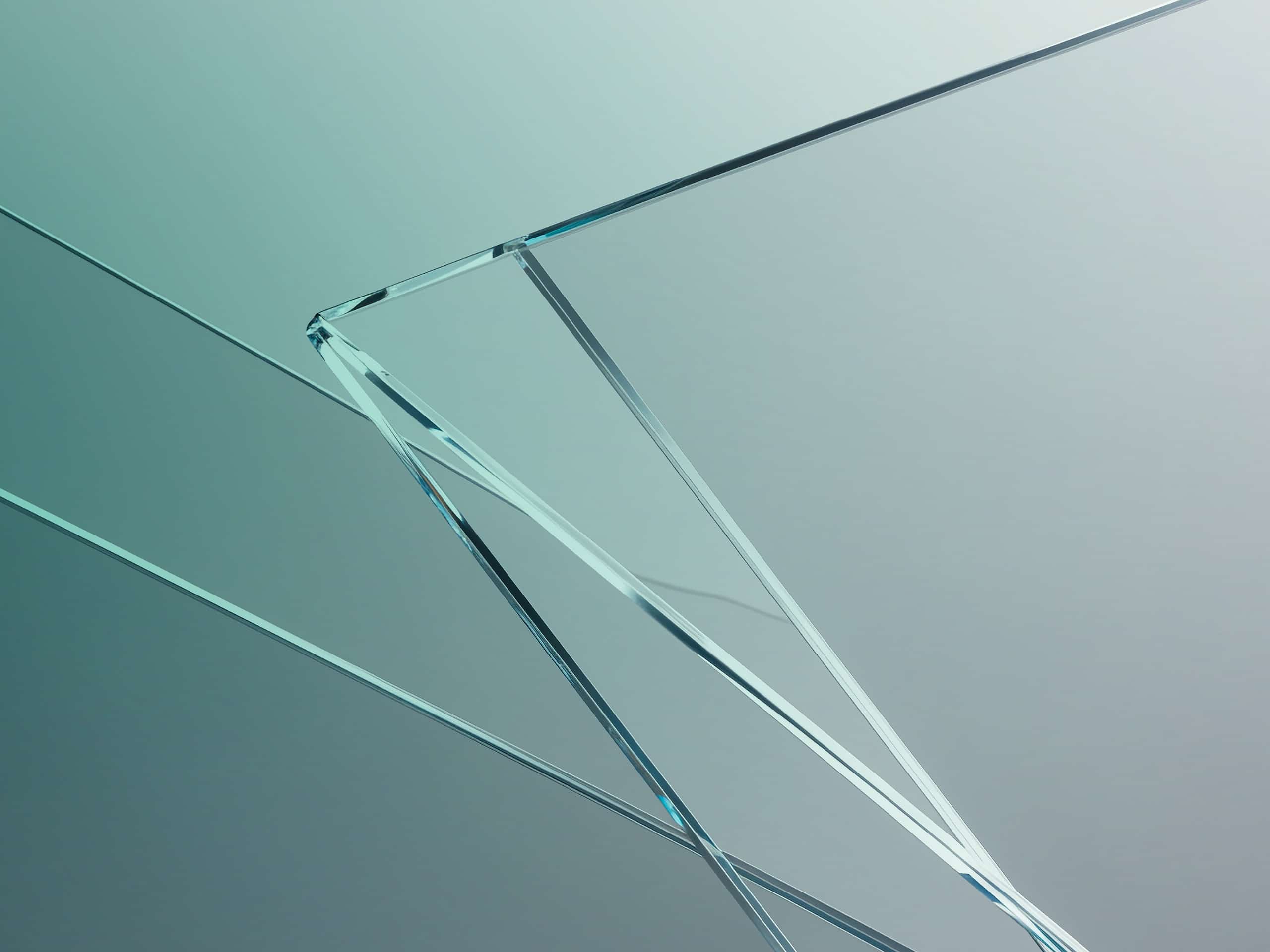
In addition, grinding improves the aesthetic appearance of the glass, giving smooth, uniform edges that blend harmoniously into the overall design. In decorative applications, such as shower stalls or shelves, the end result must be not only functional but also visually impeccable.
The grinding process: precision and control for safe glass
Glass grinding can be performed using various techniques and machines, such as Bilateral, straight-line or numerically controlled (CNC) grinding machines, depending on the type of processing required. The process involves the use of abrasive grinding wheels that act on the edges of the glass, removing material and creating a polished finish.
Key parameters affecting the grinding result include:
- Forward speed: must be precisely calibrated to avoid excessive overheating or stress on the glass.
- Pressure of grinding wheels: too high a pressure may cause chipping, while too low a pressure may not effectively remove imperfections.
- Type of abrasive grinding wheels: The use of progressive grit size grinding wheels results in smoother edges and an optimal finish.
- Lubrication and cooling: essential for dissipating the heat generated during processing and preventing microfractures.
The importance of parameter calibration in glass grinding
To ensure safe and strong edges, it is essential to carefully calibrate the processing parameters. For example, in structural applications such as facades and parapets, grinding must ensure that the glass can withstand high mechanical loads and adverse weather conditions. This requires strict control of the grinding depth to avoid the formation of weak points that can cause the glass to break under pressure.
Our straight-line grinding machines offer advanced parameter control solutions. Integrated automated systems, such as CNC control and precision sensors, allow every aspect of the process to be adjusted in real time, ensuring consistent, high-quality results.
Grinding and design: when glass sheet safety meets aesthetics
In the decorative industry, grinding not only plays a key role in safety but also a crucial aesthetic role. Items such as glass staircases and shower stalls require edges that are not only safe but also pleasing to the eye. A Polished finish, achieved through the use of fine-grained diamond grinding wheels, gives the glass a sophisticated appearance, enhancing its design.
The possibility of customize processing is another strength of Adelio Lattuada's straight-line grinding machines. Thanks to advanced technology and specially patented automation systems, precision grinding can be performed to suit the specific aesthetic and functional requirements of the project.
Safety as the ultimate goal of grinding
Any ground glass must meet strict safety standards, especially in structural applications. Reducing micro-cracks and imperfections through precise grinding increases the strength of the material, reducing the risk of sudden breakage. In this context, the quality of the machinery and the ability to customize parameters play a crucial role.
Thanks to the automation systems such as A-WR and i-AL, Adelio Lattuada's machines make it possible to monitor and optimize every step of the process, giving glassmakers tools to improve the quality and safety of their products.
Innovation and quality for excellent grinding
Grinding is not only a step in glass processing, but a key element in ensuring safety, strength and aesthetic value. In the architectural and decorative sector, where glass is playing an increasingly central role, investing in quality machinery and process optimization is essential to meet market needs and offer excellent products.
Thanks to Adelio Lattuada's technology and experience, glassmakers can count on innovative solutions to meet daily challenges, improve their processes and contribute to the spread of safe, functional and beautiful glass.
Would you like to learn more about our straight-line grinding machines And find the series best suited to your production needs? Contact us!