La stone grinding represents one of the most complex processes in the stone and related materials processing industry for end applications. Unlike glass sheets, where the material behavior is more “predictable,” natural stone and ceramic and composite materials exhibit extremely variable physical and mechanical characteristics even between pieces of the same material, requiring a highly specialized approach from both technological and operational perspectives.
Marble, granite, natural stone, porcelain, ceramics and composite materials such as okite, neolith, silestone or laminam are currently used in areas ranging from furniture to construction, from interior design to architecture. In all these contexts, the quality of the edge in terms of geometric precision, surface finish and aesthetic appearance is an absolutely crucial and priority factor.
What is stone grinding and why it is critical processing
The process of grinding stone is the same as with glass. In the case of stone, however, this process is particularly critical for several reasons:
- High hardness and abrasiveness of the material, which results in rapid tool wear
- heterogeneity of structure, which often shows veining, embossing or microfractures
- high aesthetic requirements, in exposed applications
Grinding is therefore not just a finishing step, but a process that directly affects the final quality of the product, its functionality and durability over time.
But let's look in detail at the main difficulties that can be encountered in edge processing.
Bevel management in processing stone and ceramic and composite materials
Bevel management is one of the most complex aspects in stone grinding.
There are two main processes that can be carried out:
- bevels from 0° to 45°, used for rough or polished straight edges, with the possibility of making fillets, drips, grooves and slots;
- 46-degree bevels, which are essential for perfect gluing between two sheets, especially in the kitchen and bathroom sector
In the latter case, the technical difficulty is further increased as it is necessary to achieve an extremely precise, thick angle with minimal or virtually no bead: these conditions are essential to ensure an invisible and structurally sound and strong joint. Any inaccuracy can prove compromising to the aesthetics of the joint and the perceived quality of the finished article.
What industries require perfectly ground stone slabs?
The increasing popularity of stone and ceramic materials in high value-added contexts has made edge grinding a key element in many application areas: peer kitchen tops and splashbacks, custom bathroom furniture and interior furnishings, architectural window sills and cladding, and contract fittings.
In all these areas precison and aesthetic continuity are essential, and it is required that edges be perfectly finished, even on particularly complex geometries. In addition, stones and materials used in these areas are often subject to mechanical stresses and external agents, which is why it is imperative that the material being worked on be treated precisely and delicately, without compromising its structural integrity.
From glass grinding to stone grinding: the Lattuada know-how
The technological evolution of machinery and systems has made it possible to transfer skills established in specific sectors, such as glass processing, to stone grinding as well. This transition was not automatic: it required deep adaptation of machines, tools and processing logic, taking into account the specificities of stone materials. It is precisely in this context that our experience fits: at Lattuada we have been able to apply many years of know-how in glass grinding to the development of solutions dedicated to stone, ceramic materials and composites. This is how the PETRA series was born.!
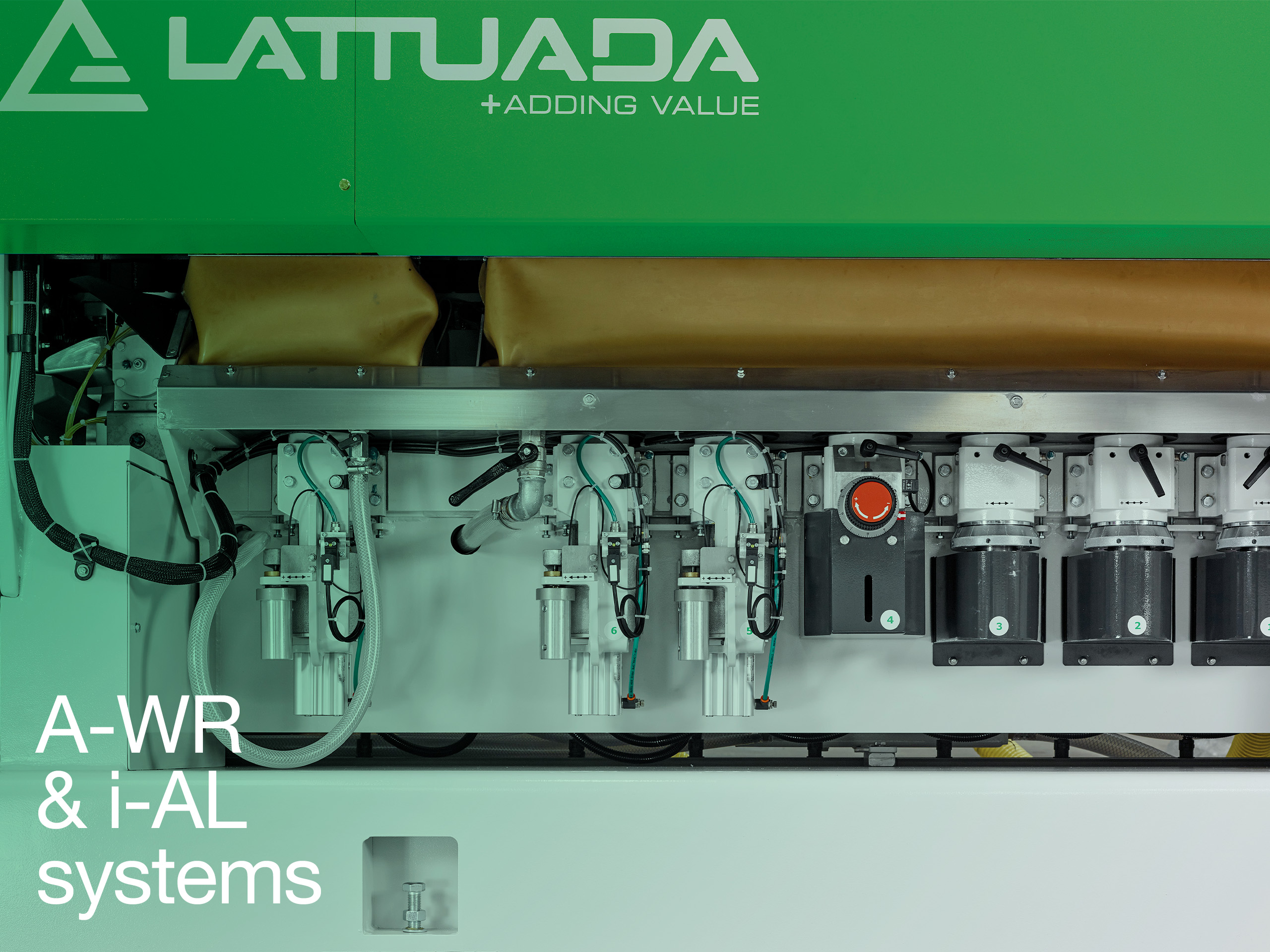
Designed to meet the most advanced needs of the stone industry, our PETRA series offers vertical edge polishers designed to ensure precision, flexibility and consistent quality over time. Available in standard versions from 4 to 14 spindles, the PETRA series vertical edge polishers can be configured with numerous options and accessories, leading to fully customized solutions based on the customer's production needs.
In conclusion, we can say that the stone grinding is highly technical processing, which requires specific skills, reliable machines and in-depth knowledge of materials. In a market increasingly focused on quality detail and absolute precision, investment in advanced technological solutions means ensuring production continuity, waste reduction and a consistent level of quality.
Want to learn more about stone grinding?