The crucial role of glass washing in glass production
Quality and luster of finished glass are two fundamentally important elements in the world of glassworks. In order to achieve a result of excellence, the washing process must be carried out with extreme precision: following the grinding stage, it not only removes residues from processing but also ensures a shiny surface free of contaminants, essential aspects to ensure the success of the final product.
From grinding to washing the glass plate
In the production process within glassworks, the glass grinding stage is a crucial step to achieve Precise shapes, smooth surfaces and polished edges. Despite the extreme precision of the machines and the care applied during grinding, it is common for the glass at the end of the process to have impurities and residues that could compromise the quality of the final product.
One of the main reasons behind the presence of residue on the glass after the grinding stage is the Generation of dust and abrasive residue during the machining process. The abrasive particles used to grind the glass can adhere to the surface of the glass, leaving small deposits that compromise the aesthetic appearance and transparency of the glass; not only that, during glass grinding, glass splinters may form that remain attached to the sheet and must necessarily be removed in order to ensure the safety and integrity of the finished product.
Other processing residues may be due to the presence of oil, grease or substances used as lubricating agents during the grinding process; these residues may transfer to the surface of the glass causing stains or opacity that affect the glass's luster.
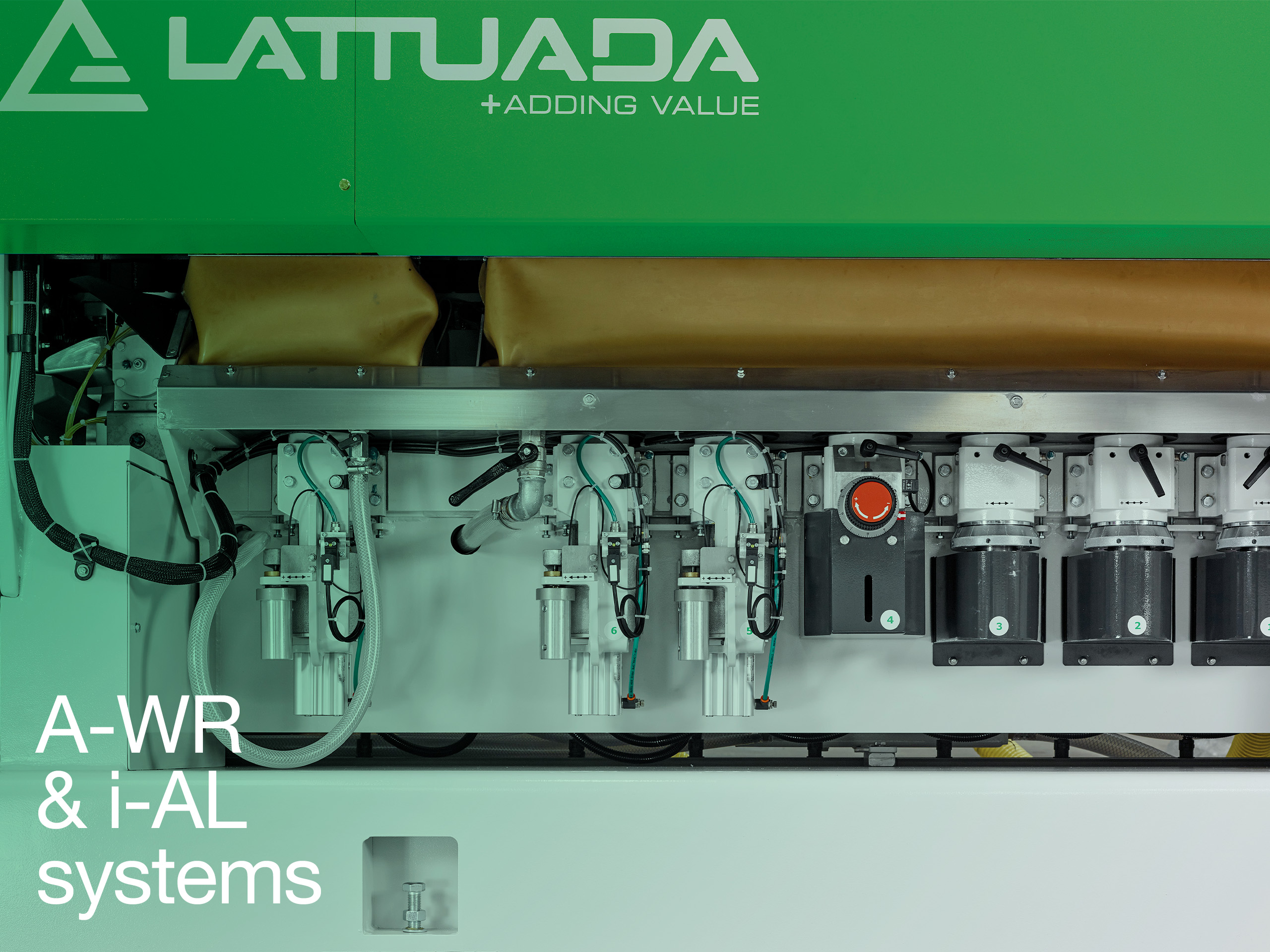
Perform the washing of glass sheets with high-performance machinery, such as Lattuada washing machines, is therefore essential to effectively remove all impurities and residues on the surface of the glass so as to ensure maximum cleanliness and optimal transparency of the finished product. In addition, thoroughly removing abrasive particles and any other external agents helps to prevent scratches and damage on the glass surface during later stages of the manufacturing and handling process.
But it doesn't end there: a thorough glass washing is of paramount importance for Ensure proper and accurate adherence of any subsequent coatings, such as varnishes or protective films; in fact, the presence of impurities on the glass surface could compromise the adhesion and durability of such coatings, reducing the quality and durability of the finished product.
Vertical open-top washing machines VS vertical closed-top washing machines
Depending on the production needs and the core business of the glassworks, you can choose between washing machines opened on top (such as those in the OT series) and washing machines with closed top (such as those in the CT and CTS series). These two types of glass washing machines have significant differences in how they are used and operated, in detail:
- Le Vertical glass washing machines with open top are characterized, precisely, by an open design on the top, which allows easy access to the washing chamber during loading and unloading of glass panes. The open design, in addition to facilitating cleaning and maintenance of the machine, is ideal for washing larger or irregular glass panes as it allows greater flexibility in inserting and removing the glass sheet during and after the washing process.A vertical washing machine with an open top is preferable in glass factories that operate with a high level of production and need washing that combines speed and efficiency
- the Vertical washing machines with closed top are equipped with a structure that protects the glass during the washing cycle. The glass sheet in this case is loaded through a door at the front of the machine and sealed to prevent external debris from entering. The enclosed design offers a greater level of control over the washing process due to the ability to maintain stable temperature and humidity inside the machine, optimizing washing conditions and ensuring uniform, high-quality results.This type of glass washing machine is an ideal choice for glass factories that produce glass of standardized sizes and require greater uniformity in the washing process, such as in the case of glass sheets destined for the construction or furniture industries.
Lattuada washing machines, both OT and CT versions, are designed as stand-alone machines but can also put in line with other machines such as edging machines, drilling machines, etc. . All Lattuada brand glass washing machine models can be customized to adhere as closely as possible to the customer's specific requirements; both versions are made to meet the demands of modern glassworks and enable them to achieve high quality standards and obtain outstanding finished products.
Want to get more information and configure your next glass washing machine with us? Contact our team now!